Nothing is more nerve-racking than sitting in a queue for presale tickets to be in the pit at your favorite artists’ concert. The screen flashes with “2000+ people ahead of you in the queue.”
The nerves hit a new high as you envision your new life once you see that person up on stage, until you get on the app and see the shiny price tag of $1,000.
It’s devastating seeing a concert ticket be in the quadruple digits. Because truly, why is that price tag so high?
The reason why ticket prices are able to climb so high is because the consumer allows it. Tickets are getting more expensive, yet people are still buying it.
Dynamic Pricing
The reason that ticket prices continue to increase is because of dynamic pricing. To put it simply, supply and demand will continue to affect all aspects of our life.
When people get in queue lines for concert tickets, apps like Ticketmaster, will take note of seats available and the number of the people in the queue and will alter the price based on that. On Ticketmaster’s website, they deem this as “In Demand Tickets,” and said that they are being sold at “market driven prices.”
These huge corporations know that people will buy tickets no matter the price, and are willing to take advantage of that.
Concerts aren’t the only avenue that do this. Hotels and flights also use dynamic pricing for their tickets and also always get away with it, because if people need to fly to a new city and stay somewhere, they must do it.
The corporations treat these events like auctions and just wait for the highest bidder collecting the cash. There is no fighting an auction when the highest bidder keeps coming.
The screen lights up and the ticket climbs up right in front of your face, but it’s hard to notice when all the adrenaline is pumping.
FOMO
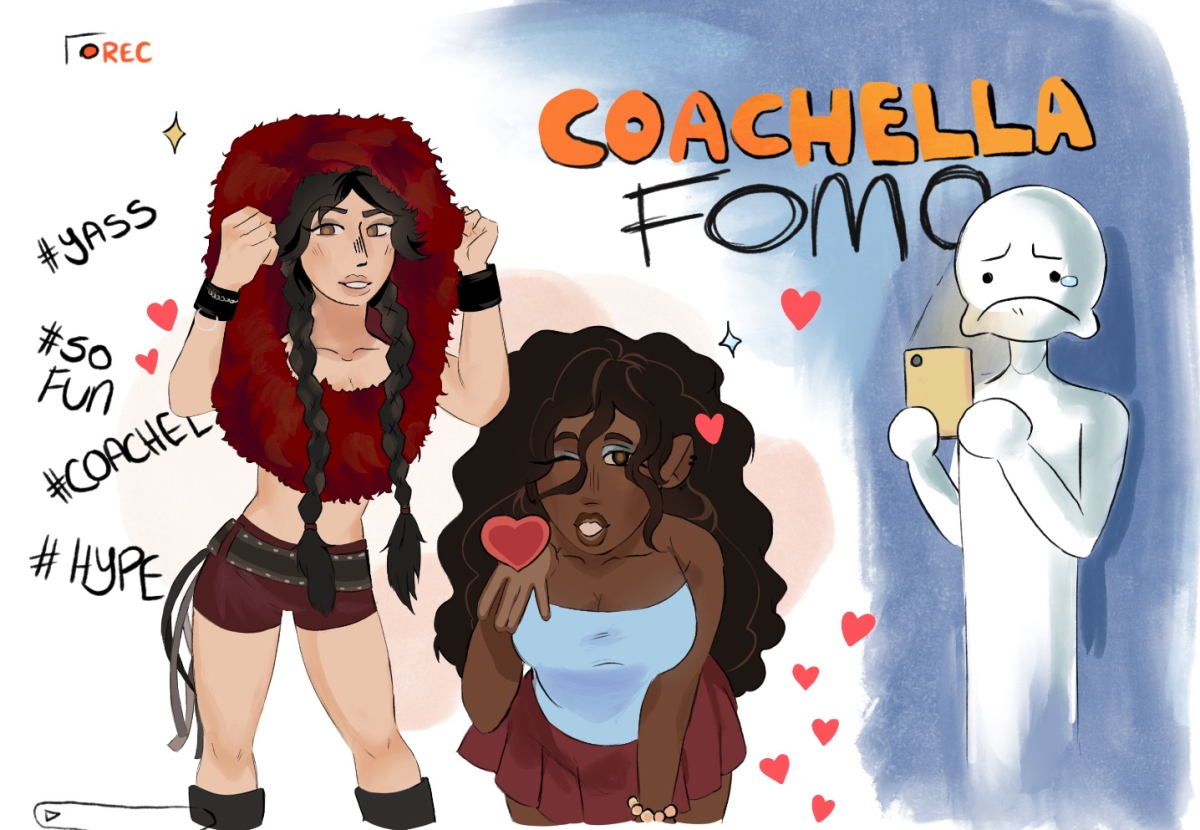
With social media use at an all time high, people are increasingly having a “fear of missing out (FOMO).” Even if they aren’t a big fan of an artist, they will want to go to be able to post about it and feel included.
Many influencers seen at concerts don’t know the words to any of the songs, yet they keep going. Being seen feels like the most important thing for people to do. Concerts are filled with crowds of people who have lots of money yet don’t listen to the artist’s music.
Is the concert about seeing the artist, or is the concert about being seen?
My “For You Page” on TikTok is filled with videos from the concert, but it feels like content comes first and enjoyment comes second. This is seen in all facets of life including the phrase, “my camera eats before I do.”
The people that truly want to see the concert are left dry with no tickets because they can’t afford it, yet rich influencers are able to fill the stands to make more money off of content.
Or, you are a big fan, freak out and think, “what if they never tour again, I can’t miss it.” Then 20 minutes later, you find yourself pressing purchase on a $1,000 ticket without thinking twice.
I’d rather go to a concert than not go and miss out on posting, right?
The Expectations
Going to concerts now has very specific expectations. You used to roll up to the concert wearing jeans and t-shirt and have bought the tickets for 20 bucks.
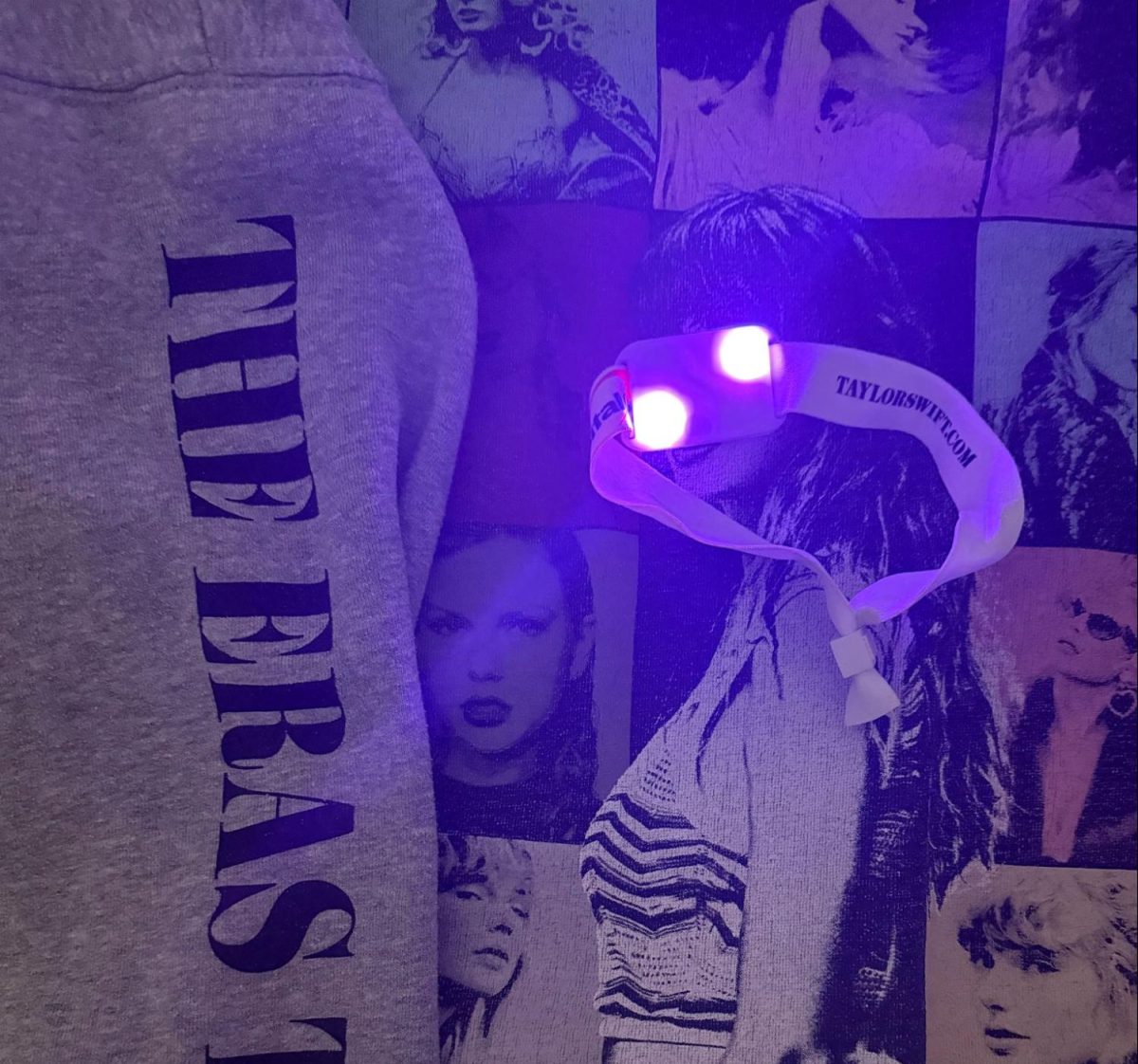
Now you must specifically go out and buy a new outfit to fit the “theme,” that the people online have decided is what you must do. If someone showed up to the Taylor Swift Eras Tour not in their specifically crafted costume to fit a specific era, did they really go to the concert?
So, not only do you have to buy the ticket that is over $1,000, but now you have to buy an outfit you most certainly will never wear again only to not be seen as “lame” by other concert goers.
The Root of the Downfall
The start of when concert prices increased goes back several decades. In the late 70s, artists became more dependent on ticket sales as a source of income, rather than people purchasing their music. The price then hit an 82% rise.
An 82% rise in ticket is a lot, but the $10 becoming now $1,000 isn’t just an 82% increase.
My belief is that it started with the Taylor Swift Eras Tour.
This tour was larger than life and had people paying thousands of dollars for one singular ticket. And these ticket selling companies take note of that and exploit it.
The demand was at an all time high, and the resellers were waiting in line right along with the rest of the people.
In full honesty, I did see the Eras tour. I spent a hefty amount on the tickets, not $1,000 but still a lot, so I can speak from experience about the tour but not many others.
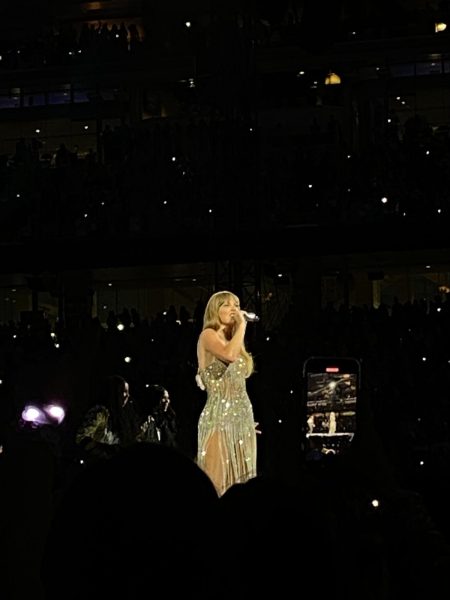
(Photo by: Sophia Wilson)
Production Value
The show itself was 3.5 hours not including the opener. If you spent $1,000 a ticket that’s about $4.76 per minute of the show you watched. It’s easier to weigh if the ticket price can be justified and if it’s worth paying $4.76 every minute that she is on stage.
In comparison, Sabrina Carpenter started touring a few years later and also used dynamic pricing. The show was 1.5 hours on average. Her tickets were also selling for around $1,000, especially with the resellers, but that is $11.11 per minute.
So, if companies are able to benefit from having the same high prices no matter how long the show is, why wouldn’t they?
People have an emotional attachment to their favorite artist. For me, Taylor Swift has always been held in a nostalgic light because I listened to her as a kid. So, when I see she is going on an “Eras Tour,” and could be playing my favorite childhood song, I have the need to go.
Almost nothing in the world is stronger than nostalgia. People are willing to pay the price no matter how steep to relive a moment in time.
As someone who has worked on a very small-scale community theatre, I know how expensive those productions can be, and I can’t imagine how expensive large, multi-hour concerts are to produce, including paying the hundreds of people on the set.
But this dynamic ticket pricing isn’t making up for the cost of production, but the greed that wealthy people can afford.
How to Solve
What is the big call for action on how to fix this?
Some artists have put on their tickets that dynamic pricing is not allowed. And other artists have done their hardest to avoid resellers.
Until every artist puts an end to dynamic pricing or the consumer stops purchasing all together, nothing will change.
Because at the end of the day seeing my favorite artist on stage is worth it.