The caffeine culture on college campuses isn’t hard to miss. Fresno City College’s courtyard has coffee carts open and ready for students trickling to their morning lectures.
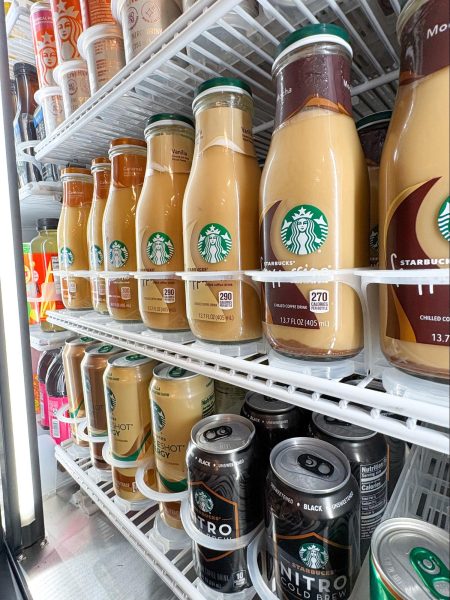
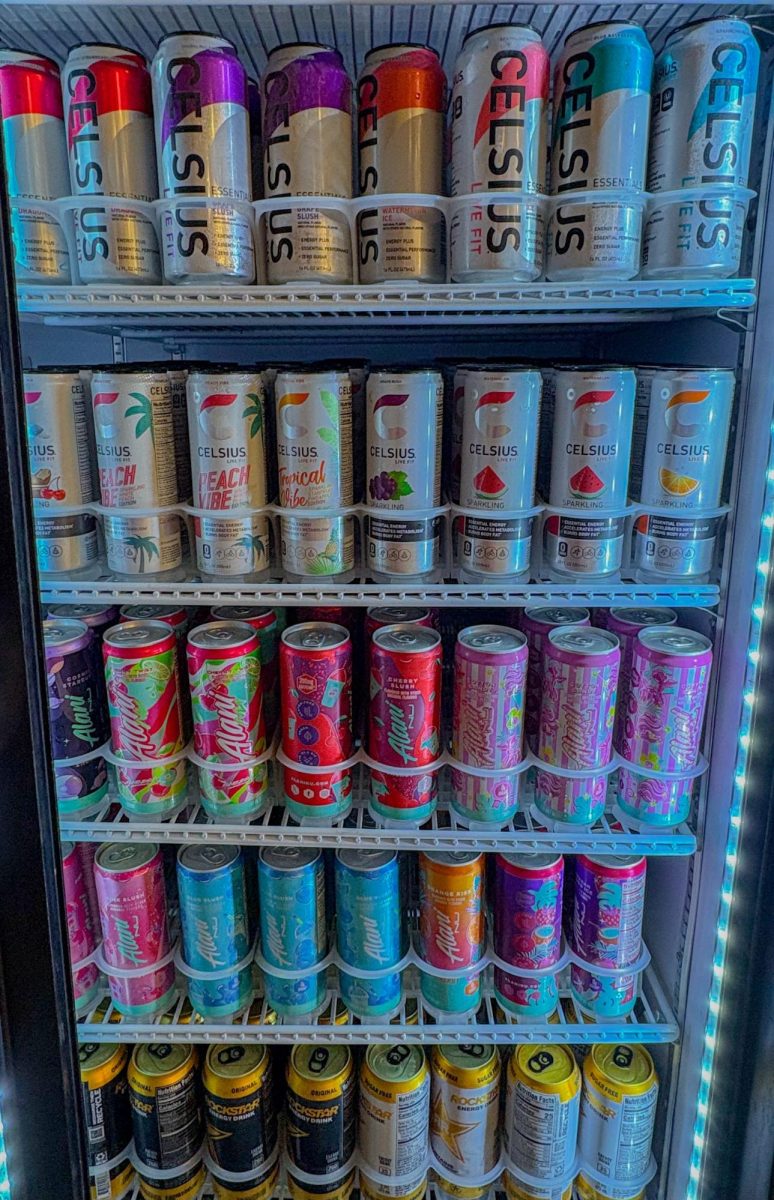
The FCC bookstore offers a wide variety of energy drinks, bottled coffee, sodas and more. There are various vending machines on campus such as the cafeteria, student services and science building, supplied with the drinks for easy convenience.
Studies conducted by UC Davis and Grand Canyon University showed how reliant college students are on caffeine. The results showed that 92%-95% of students consume caffeine.
The daily juggle of classes, labs, jobs, extracurriculars and a social life weighs heavy on college students. Many students feel the pressure to keep going without proper self care, thus relying too heavily on caffeine consumption.
Some students may have different caffeinated drinks throughout the day. For example, having a latte in the morning, a soda for lunch, a Monster energy drink during work and one more soda at dinner amounts to about 400-600 mg of caffeine.
The Food and Drug Administration (FDA) states that 400 mg of caffeine is “not generally associated with negative effects” according to its article on caffeine. However, this may still cause negative side effects in people who are sensitive to caffeine.
For teenagers 12-17, the daily recommended amount is 100 mg. The FDA also advises that no more than 200 milligrams should be consumed at once.
Son Nguyen, a biochemistry major at FCC, spoke to the Rampage about his caffeine habits.
“I drink it everyday. Energy drink is my top pick, it would have to be no sugar,” Nguyen said.
But caffeine has both short-term and long-term effects on the body.
According to WebMD, within 15 minutes a person feels the effects of caffeine on the brain and body. After an hour, their bloodstream peaks and remains there for several hours, giving optimal energy.
After six hours, the body has only cleared half the caffeine in its system. It can take up to another four hours to completely detox the caffeine in the bloodstream.
Caffeine works by targeting the adenosine receptors in your brain. Adenosine is a chemical that slowly builds throughout the day, sending signals of tiredness to the brain by attaching to its receptors.
Caffeine puts up a guard for adenosine by filling in those receptors instead. This signals to the body signs of energy and alertness, off railing those tired feelings.
“I have to plan out what time and what day I need to use it, because normally I just use it immediately when I need it,” Nguyen said.
Nguyen isn’t alone. Because of its easy convenience, people often reach for caffeine as a first resource rather than the last.
Short term side effects include, but are not limited to, alertness, restlessness, anxiety, dehydration, higher body temperature, headaches and increased breathing.
Common risk factors for too much caffeine consumption include insomnia, feeling nervous or irritable, urinating often, shaky muscles and stomach pain, according to WebMD.
Jackiy, a first year criminology major, only wanted to be referred to by first name, reference the amount of energy drinks students consume in a day, commenting, “I don’t think people should be consuming that much [caffeine].”
Too much caffeine consumption can lead to an overdose. According to Nourish WebMD, caffeine in beverages and food can be safe when used correctly, but powdered form plays a risk in one’s health.
A caffeine overdose can include symptoms such as uncontrollable shaking, nausea or vomiting, rapid breathing, fast heart rate, confusion, anxiety or panic attacks.
Some students may replace proper sleep with energy drinks and large amounts of caffeine. Although they can mask the exhaustion, eventually the lack of proper rest will catch up. This can later lead to further exhaustion, brain fog, and addiction, making it difficult to stop using caffeine.
Many people who wean off caffeine can start to experience withdrawals such as headaches, mood swings and extreme exhaustion.
With finals week approaching, students may look to caffeine to stay alert while studying. The BlueCross BlueShield recommends finding caffeine alternatives that come with health benefits, such as different types of tea. Other than alternatives, BlueCross BlueShield also urges people to manage their caffeine intake to stay healthy.