Teachers within the State Center Community College District are experiencing lower wages compared to neighboring districts and schools.
In the past six months, faculty members at Fresno, Reedley, Clovis and Madera Community Colleges have been voicing their experiences working within the district and how they are not paid competitively compared to other colleges such as the College of the Sequoias (COS) and the West Hills Community College district.
The teachers union is formed to advocate for the wages, working conditions and benefits of all the faculty within the state centers and community districts, according to Keith Ford, president of the State Center Federation of Teachers (SCFT) Union and Fresno City College (FCC) humanities instructor.
Within this union, the SCFT reviews the contracts of other colleges to see the language, wages and benefits in comparison to our faculty within the district.
In doing this, they found out that districts within a 50-mile radius of the SCCCD are getting paid considerably better than the faculty within SCCCD. Both full-time and part-time faculty are trying to negotiate with the district for competitive pay.
The issue is more prominent within part-time faculty when they are paid less than full-time faculty, and getting hired into a full-time position is less common.
“You take somebody who has a PhD, who has taught here as a part-timer for 10 years and teaches as many classes as he or she is allowed to teach legally, so three in the fall and three in the spring, and say they have four in the summer, we’re talking $45,000 max,” Paul Gilmore, SCFT vice president for Member Rights and full-time history professor, said.
According to Ford, the difference of pay between colleges has caused some teachers to leave their positions within the district to work in other districts with competitive or higher pay.
Gilmore, as an “overload” instructor taking on more than 15 units for full time, said this has always been a problem when part-timers, “smart people who devoted their lives to teaching and to students,” leave because they can’t make lifetime wages.
“If you know that you’re not being paid well to do a job it impacts your morale. I’d argue that a teacher who is not happy where they are or does not feel valued by their employer is going to have a hard time doing their best job,” Ford said.
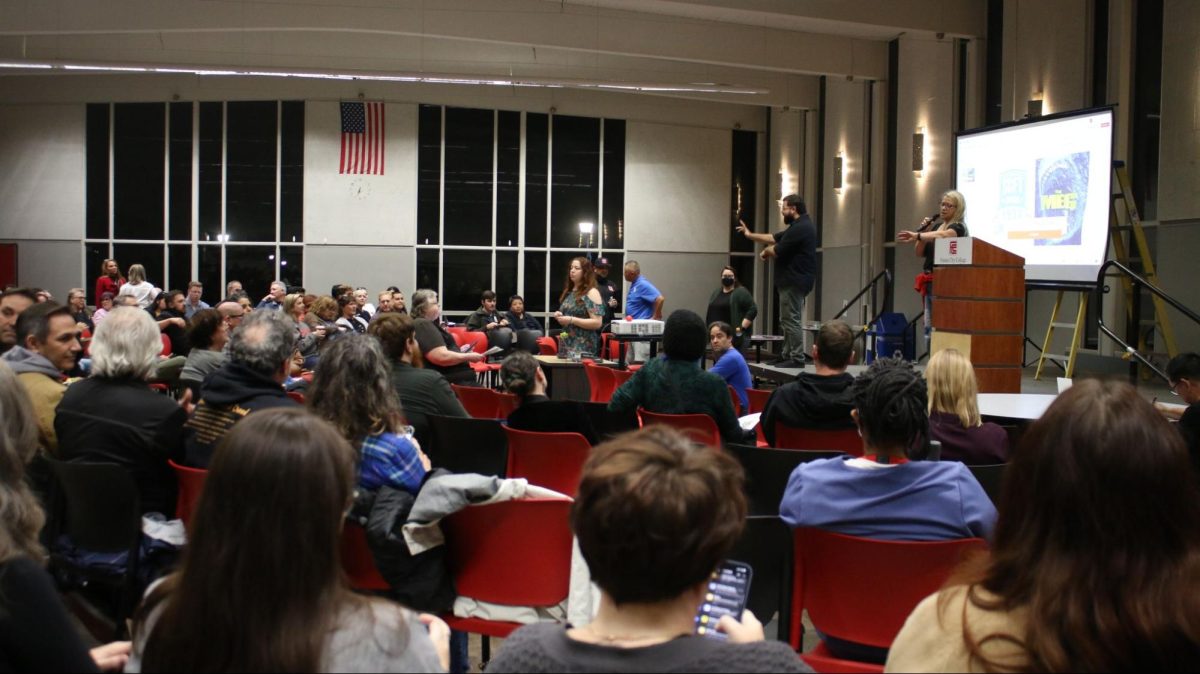
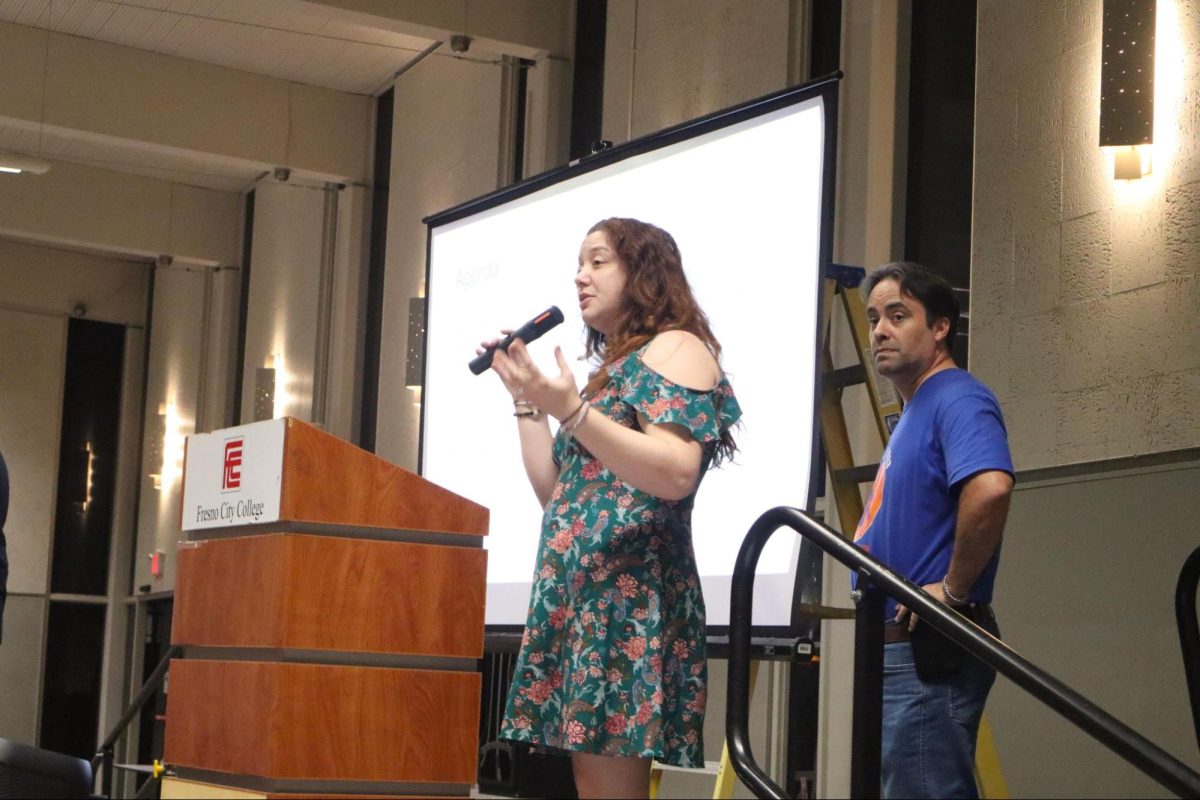
At the SCFT General membership meeting on Nov. 13, the SCFT gathered to unanimously vote no confidence in SCCCD Chancellor Carole Goldsmith.
In the meeting, many teachers compared their current wages to the predicted amount they would receive working at COS and how much they would lose working within the SCCCD.
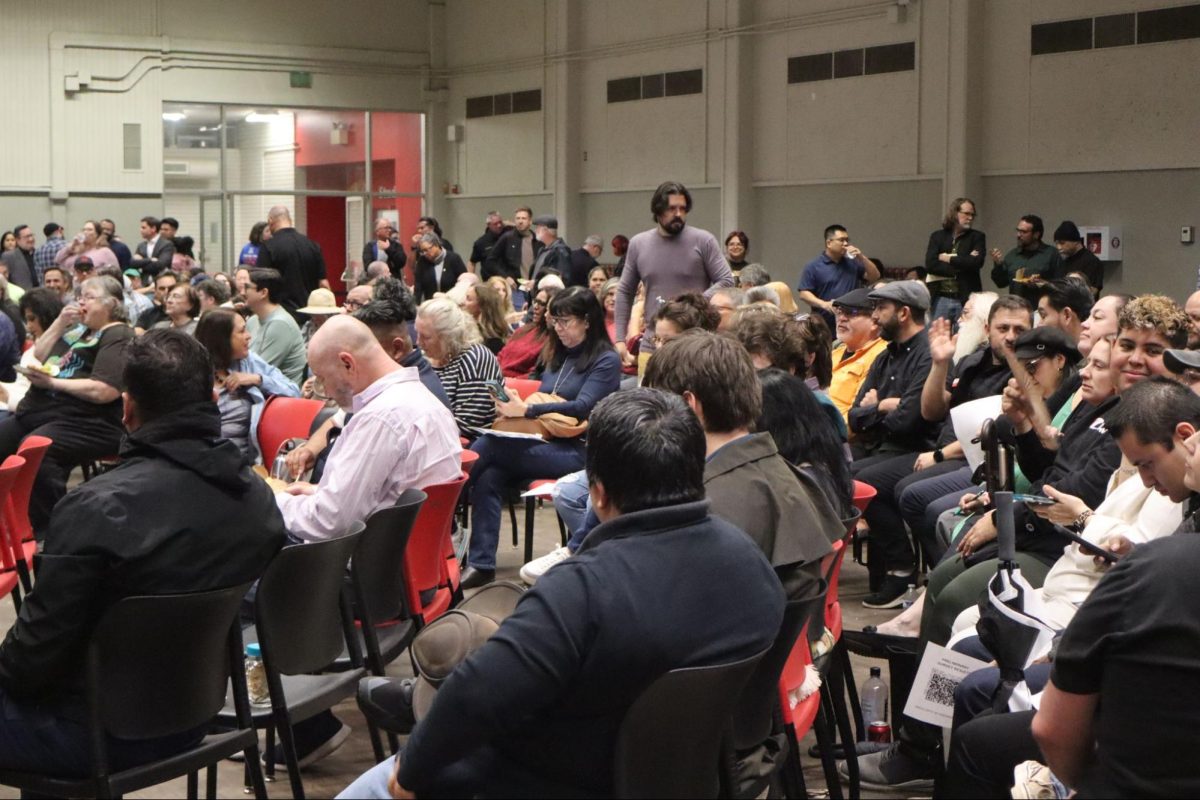
Doug Gong, the treasurer for the SCFT and math instructor at Reedley Community College, said the 10 year difference in pay he would earn between COS and State Center is $161,000 more than what he earns at FCC.
Gilmore, who has been teaching at FCC for over 20 years, said that projected pay over the next 10 years at COS would be $133,000, and with overtime it would be over $300,000.
A new political science instructor at FCC, Austin Schutz, calculated he will lose $11,914 in the next year, translating to at least $119,000 over the next 10 years.
There has been a “significant disparity the employers don’t seem to recognize,” according to Ford.
“It really doesn’t look good when an employer has $126 million in reserves and they’re saying they can only give us a 1% raise which we know the monetary value of,” Ford said. One percent of $126 million is $1.12 million.
This budget only goes up each year, and the projected amount is usually less than what is given each year, according to Gilmore.
Essentially, faculty and staff are only receiving a small portion of the reserves of money that the district can afford to spend.
Despite the strain in efforts to receive competitive pay, Ford believes his fellow members are handling the circumstance well, as they’re advocating for themselves at board meetings to make their case heard.
Open to everyone on Dec. 9, the SCFT will be holding a city-wide town hall on higher education at Fresno City College in room 251 of the Old Administration Building.