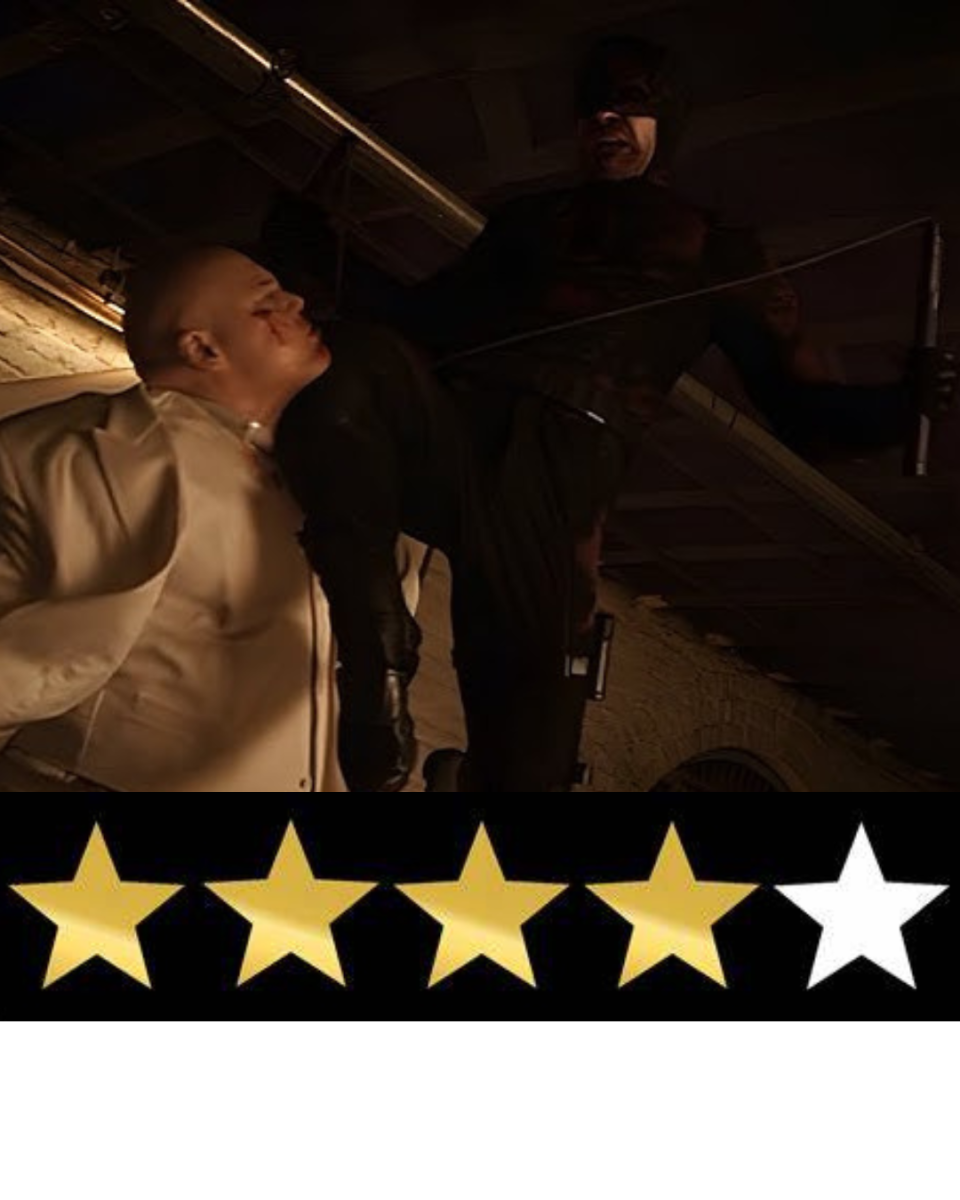

Opening night for the Fresno City College production of Oscar Wilde’s “Salomé” is rapidly approaching, and it’s not a show you want to miss. I’ve seen many FCC productions, and I can say with confidence that “Salomé” is a standout for me, in terms of originality and intellectual thematic content.
When Wilde first published this dramatic tragedy in 1893, it was widely controversial. The show depicts biblical figures like John the Baptist in a new light, where John is largely disgraced and lusted over by Princess Salomé, daughter of first century ruler, King Herod Antipas. It’s an intense, captivating and sensual piece of theatre.
Since its initial release, the show has gained widespread popularity, but according to director Summer S. Session-Plevney, there has never been a production of “Salomé” quite like this one. Session-Plevney envisioned this story within a post-apocalyptic setting, citing “Mad Max: Fury Road” specifically as an influence. This modern depiction grounds “Salomé” and makes this historical drama palatable by today’s standards.
“I feel like this is a good gateway into the classical world, but still presenting classical works for a contemporary audience. You know, we don’t want to see boring old Shakespeare or boring old Salomé, where everyone’s dressed historically and stuff. I mean, maybe we do, I don’t. You know, we can’t relate to that as much as we can relate to this. We may not be in an apocalypse, but we know Mad Max,” Session-Plevney said.
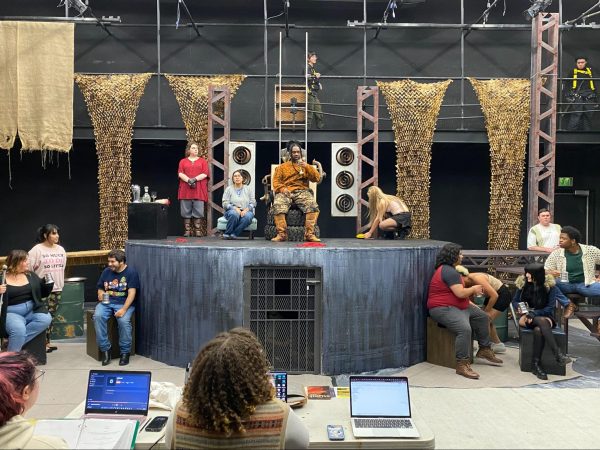
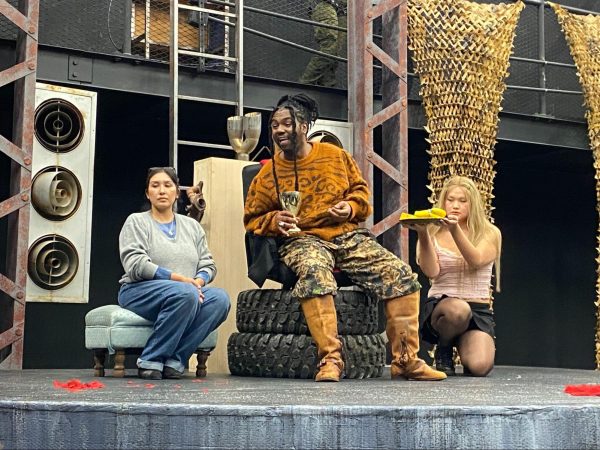
I wasn’t present for a dress rehearsal, but the set design was intricate and imaginative. The railings are rusted, oil barrels are bent and car tires offer the best seat in the kingdom. Even though there were still technical elements missing from the final performance, the world of “Salomé” seemed lived-in, and I can’t wait to see how the costumes and stage lights enhance this world.
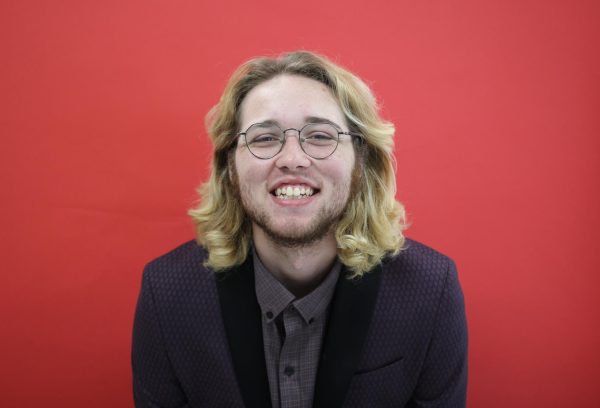
Although the atmosphere was incomplete, the performances were not. In a show of 19 cast members, each actor fully embodied their role. King Herod (or Tetrarch, as he is commonly referred to) doesn’t appear until 20 minutes into the performance, yet his shadow looms over the stage every second. Portrayed by Jimmy Haynie, Herod is a powerful and charismatic leader, a leader with equal parts contempt and compassion. Haynie strikes a perfect balance.
(Photo by: Logan Payne)
“Salomé” is performed in the studio theatre as opposed to the FCC theatre, and it’s a truly unique space. Audiences will sit on the same plane as performers, there is no “stage.” The performance space is wide and tall, actors will perform all around the audience and even above them in catwalks that are around the theatre.
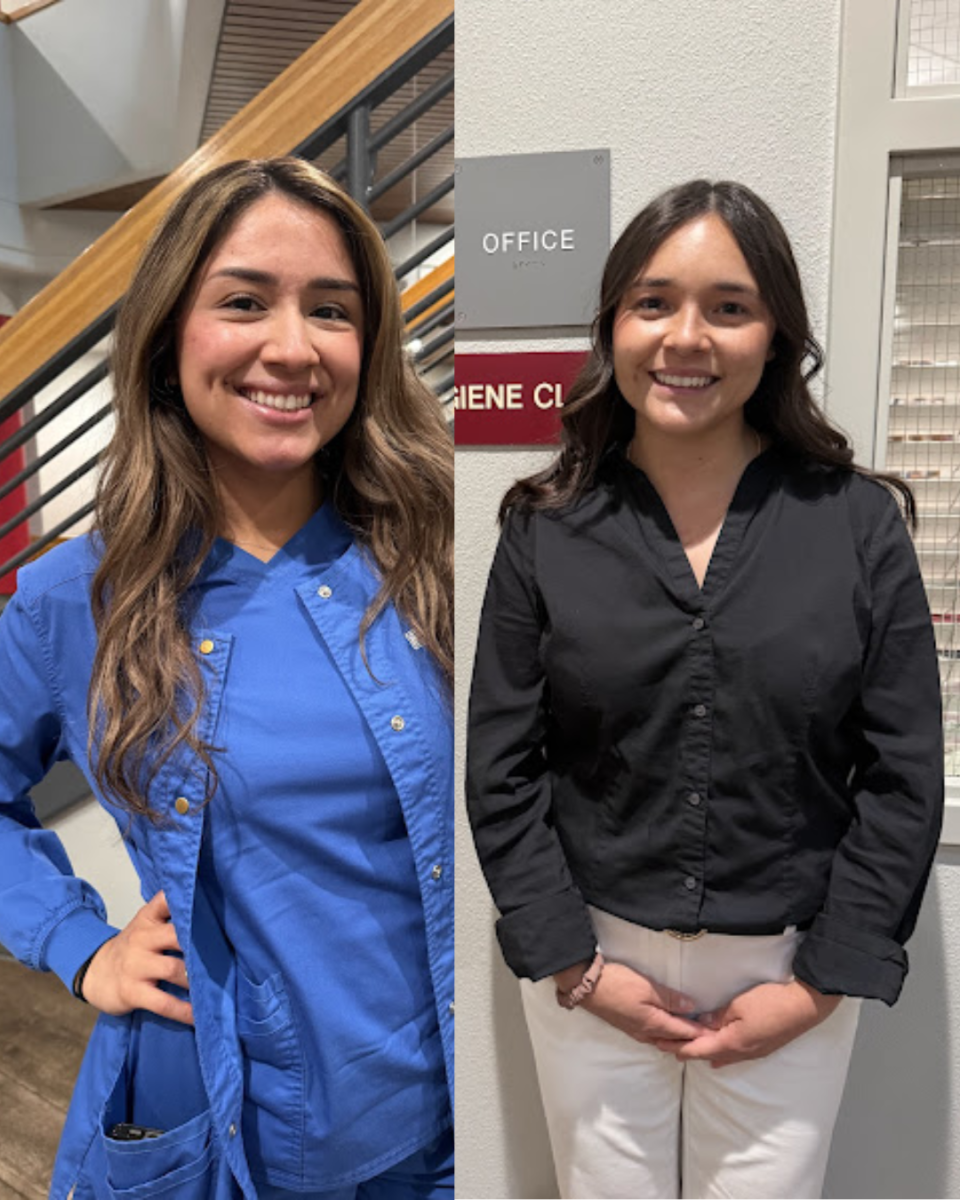
“I think it’s the closeness with the audience that’s very important. That feeling of you’re right in front of the characters, you’re in there with the sand and with them, you know? You’re breathing the same air,” Gonzalez said.
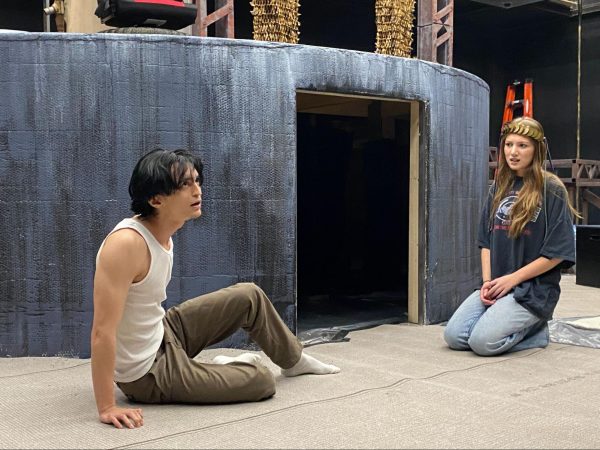
Jokanaan is the subject of Princess Salomé’s affections, but the feelings aren’t reciprocated. All the while, Salomé is sought after by her stepfather, King Herod. When both Salomé and Herod are rejected, it only fuels their desire more to a tipping point. The show is about the lengths that people will go to when faced with unrequited love, it’s about ideological differences that fall apart when sex is introduced into the equation.
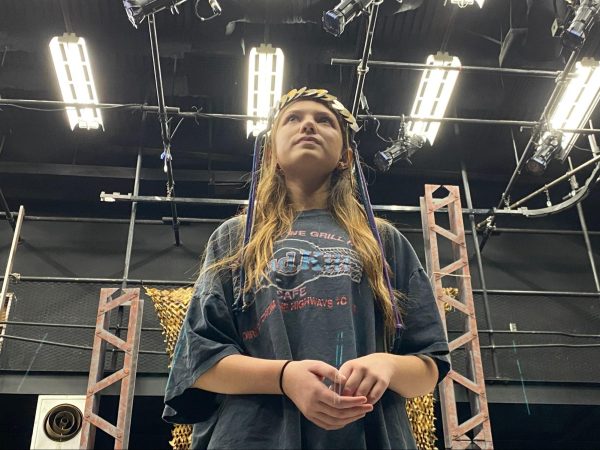
At the center of this tension is the titular Salomé, portrayed by Zelia Ankrum. Ankrum joined Fresno City College this semester, and “Salomé” is her first show with FCC, aside from the non-linear “Switched Cabaret.” Ankrum didn’t even audition for “Salomé.” Session-Plevney approached her specifically and invited Ankrum to callbacks for the role.
Ankrum plays Salomé with a level of reservation, a certain calmness that has more strength than loud volume would allow. Salomé is a layered and deeply personal character, and although Ankrum is intimidated by the role, the theatre department has helped her feel comfortable.
(Photo by: Logan Payne)
“I’ll be honest, I do a lot of comedy. That’s [dramatic acting] not really in my wheelhouse, but I feel like everyone’s been really trying to help me a lot more with all of that, and made it a safe space for me, especially when we’re working things, there’s intimacy scenes or intimacy that we work and that’s like separate and private. I think that’s a really good mark of any good show is respecting boundaries,” Ankrum said.
Session-Plevney highlighted Salomé’s power and contrasted it with the character Furiosa from “Mad Max: Fury Road.” Both characters have hidden strengths and will stop at nothing to accomplish their goals.
“That film crosses with Salome so well, because they have a lot of the same themes. They have these women who are rebellious. They have these women who will do things like allowing their savage, animalistic fury and instincts to come forward to get what it is that they want, whether that is freedom, whether that is love. And to see that work so well with the script, it was like a disservice to not marry them together,” Session-Plevney said.
In my experience, most of the live theatre I see is good, but doesn’t leave me much to chew on after curtain call. Salomé does not have that problem.
“I think the tagline that’s in the poster is the best. ‘The mystery of love is greater than the mystery of death,’” Ankrum said.